

What is Ethanol?
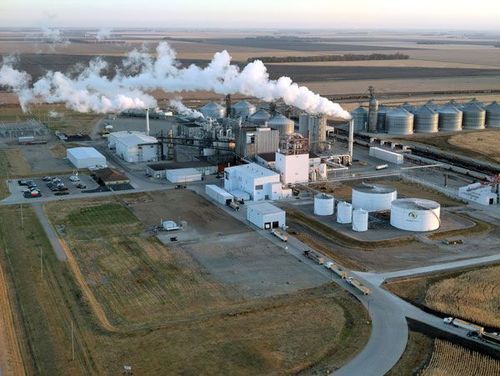
Ethanol is a renewable fuel made from plant materials, most commonly corn in the United States. Through a process called fermentation, the starch found in corn is converted into ethanol, creating a high-octane fuel that can be blended with gasoline.
But ethanol production creates much more than fuel. The process also produces valuable co-products such as distillers grains used for livestock feed, corn oil, and carbon dioxide that can be captured and used or permanently stored.
In North Dakota, ethanol connects two of the state’s largest industries, agriculture and energy, while creating additional value for locally grown corn.
Benefits of Ethanol
-
Support Farmers and Rural Communities
Ethanol creates an important market for corn and adds value to crops grown close to home. Ethanol plants also support jobs, local businesses, and economic activity in rural communities.
-
Provides More Choices at the Pump
Ethanol is blended into much of the gasoline sold in the United States. Higher ethanol blends, including E15, provide consumers with additional fuel choices while increasing demand for renewable, American-made fuel.
-
Produces Valuable Co-Products
Ethanol plants maximize the value of each bushel of corn. In addition to renewable fuel, the production process creates nutrient-rich distillers grains for livestock feed, corn oil, carbon dioxide, and other valuable co-products.
-
Reduces Emissions
Ethanol provides a renewable alternative to petroleum-based fuel. Continued advancements in farming, ethanol production, carbon capture, and other technologies are helping reduce the carbon intensity of ethanol even further.
-
Strengthens Energy Independence
Producing ethanol domestically helps diversify the nation’s transportation fuel supply and reduces reliance on petroleum by using a renewable resource grown and produced in the United States.
-
Drives Innovation
North Dakota’s ethanol industry brings together agriculture, energy, technology, and innovation. By turning locally grown corn into renewable fuel and valuable co-products, the industry creates opportunities for farmers, provides quality jobs, supports communities, and contributes to the state’s economy.
